Slowing Myopia with Essilor Stellest Lenses
MYOPIA —commonly known as nearsightedness is an epidemic. More kids are being diagnosed earlier, and their prescriptions are increasing faster than ever before. For parents, this trend raises an important question: Is there anything that can slow this disease?
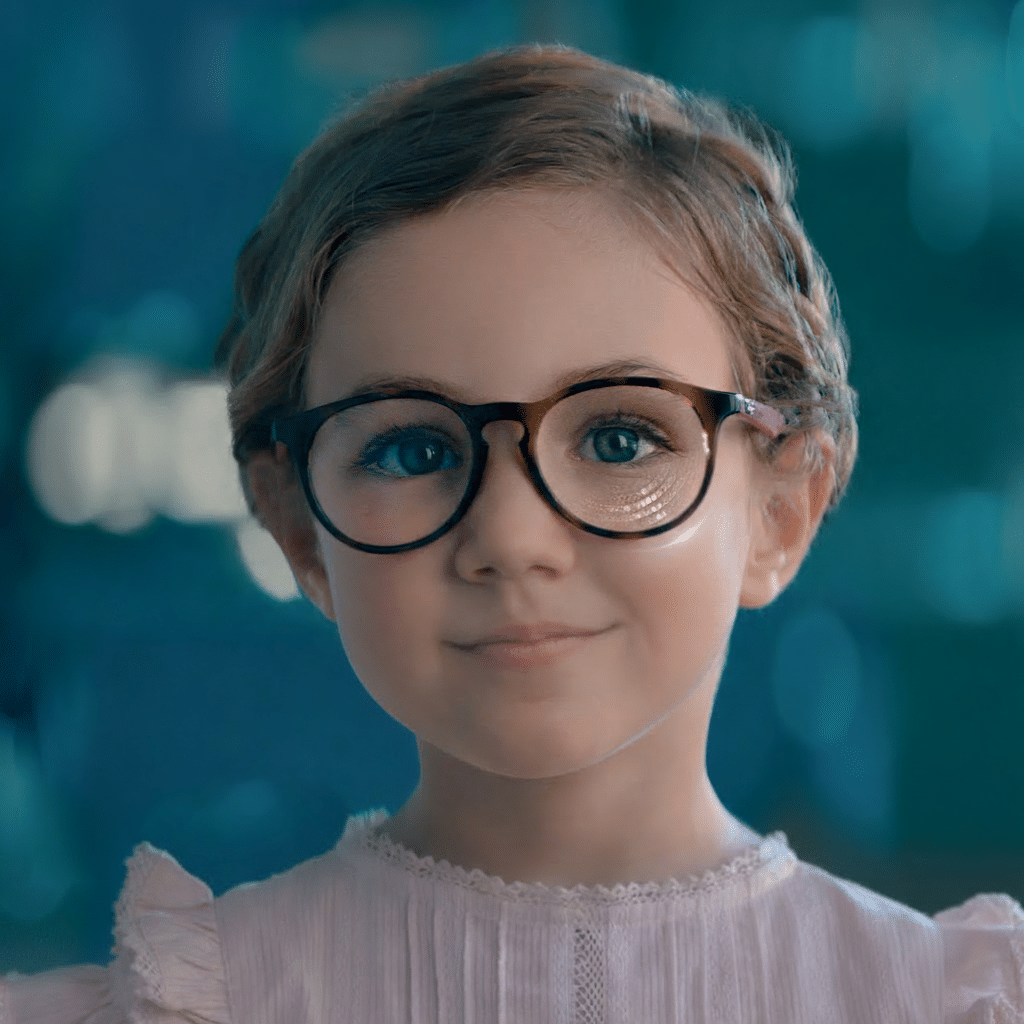
One of the most exciting breakthroughs in pediatric vision care is ESSILOR STELLEST innovative spectacle lenses designed specifically to slow the progression of myopia in children ages 6–12. These lenses represent a major advancement in how eye care professionals help protect children’s long-term vision and eye health.
Understanding Childhood Myopia
Nearsightedness occurs when the eye grows too long from front to back (axial elongation). Instead of light focusing directly on the retina, it focuses in front of it, causing distant objects to appear blurry.
While glasses traditionally correct blurry vision, they do not stop the eye from continuing to grow longer. The retina can thin out and degenerate. With age myopia can increase the risk of retinal detachment, glaucoma, myopic macular degeneration, and early cataracts.
A Breakthrough Backed by Science
Stellest lenses became the first spectacle lenses to receive FDA market authorization in the United States specifically for slowing pediatric myopia progression. Clinical studies show that when worn for 12 or more hours per day, these lenses slowed myopia progression by an average of 71% over two years.
How Stellest Lenses Work: H.A.L.T. Technology
Traditional glasses focus light to give clear vision. Stellest lenses go a step further by using Highly Aspherical Lenslet Target (H.A.L.T.) technology.
Each lens contains 1,021 tiny, invisible lenslets arranged around the central viewing area. This design creates a “volume of myopic defocus.” The lens provides clear central vision while creating peripheral defocus that signals the eye to slow elongation.
Effectiveness Compared to Other Treatments
Research shows Stellest lenses deliver comparable effectiveness to dual-focus contact lenses and low-dose atropine eye drops— WITHOUT THE NEED FOR CONTACTS OR MEDICATION.
Designed for Kids: Comfort and Adaptation
Most children adapt quickly. The lenses are made from lightweight, durable, and impact-resistant polycarbonate.
Additional Options
Options may include anti-reflective coatings and sun-tinted versions for outdoor protection.
Who Are Stellest Lenses For?
Children ages 5–14 and kids with rapidly worsening prescriptions benefit most. Early action significantly improves long-term outcomes.
Why Consistent Wear Matters
For best results, lenses should be worn all of the time. Consistency ensures the eyes receive the signal to slow growth.
Cost Considerations
These lenses cost more than standard single-vision lenses but are considered a long-term investment in eye health.
Availability
Available through trained optometrists after a comprehensive eye exam.
There should be a 3 month follow-up visit , and any change in the prescription is provided
at no charge.
Final Thoughts
Stellest lenses represent a shift from reactive vision correction to preventive eye care. Slowing myopia/nearsightedness today can make a lifetime of difference tomorrow.
CALL FOR AN APPOINTMENT – 954 753-1100 for an exam by
Dr. Mark Gendal , Myopia Expert