When Should You See Each of Them?
Navigating the world of eye care can be confusing, especially when it comes to understanding the roles of different eye care professionals. Two of the most common specialists you might encounter are optometrists and ophthalmologists. Both play crucial roles in maintaining your eye health, but their training, scope of practice, and the services they provide can be quite different. Understanding these differences will help you make informed decisions about when to see each type of professional.
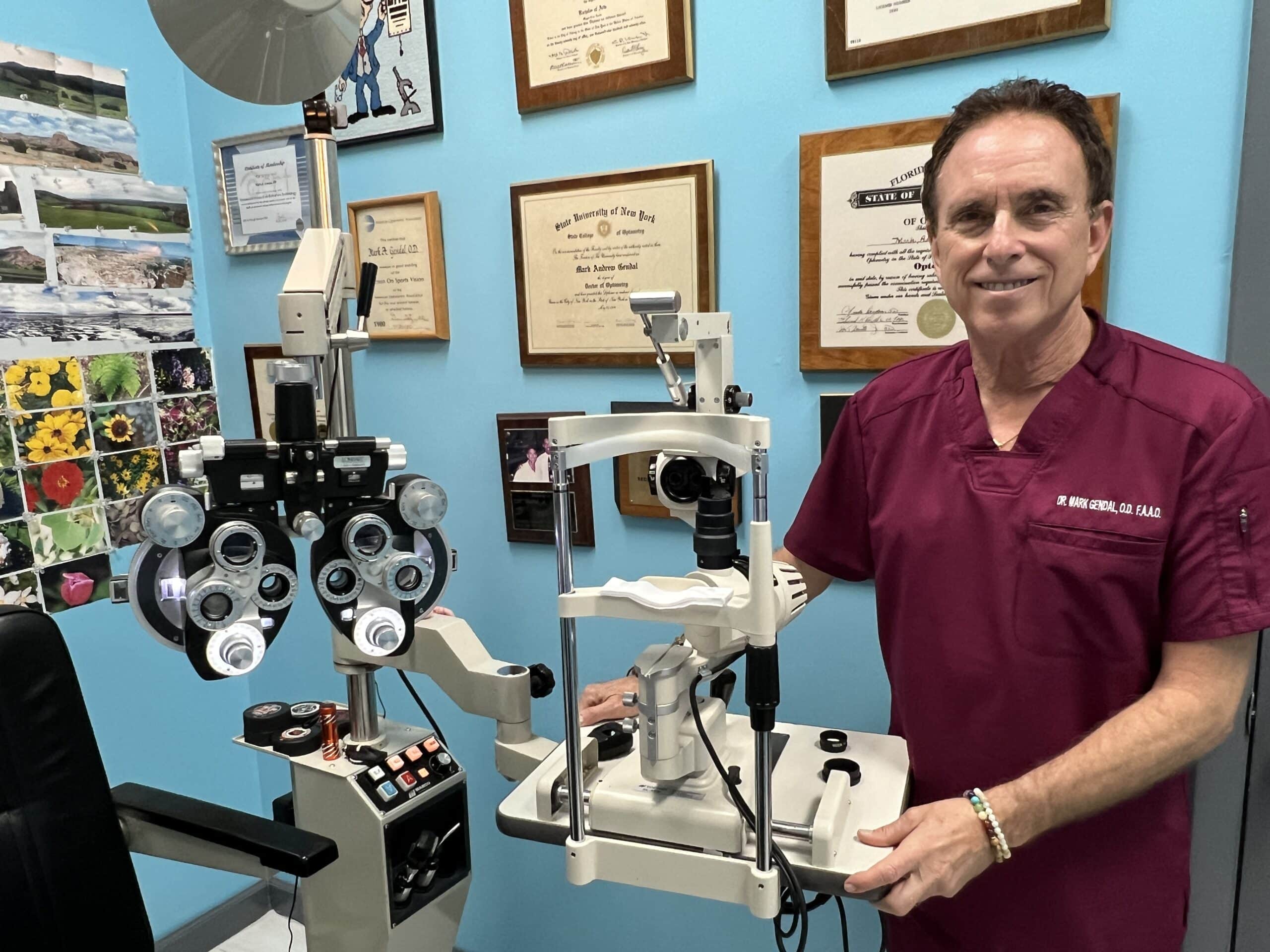
Who is an Optometrist?
An optometrist is a healthcare professional who provides primary vision care. Their training includes:
- Education: Optometrists complete a four-year undergraduate degree followed by four years of optometry school, where they earn a Doctor of Optometry (OD) degree.
- Scope of Practice: Optometrists perform eye exams, prescribe corrective lenses, diagnose and treat certain eye conditions, and manage pre- and post-operative care for eye surgeries performed by ophthalmologists. They can also prescribe medications for various eye conditions.
Optometrists are often the first point of contact for individuals experiencing vision problems. They can detect issues like refractive errors (nearsightedness, farsightedness, astigmatism), binocular vision problems, and early signs of eye diseases.
Who is an Ophthalmologist?
An ophthalmologist is a medical doctor who specializes in eye and vision care. Their training is more extensive than that of an optometrist:
- Education: Ophthalmologists complete a four-year undergraduate degree, followed by four years of medical school to earn a Doctor of Medicine (MD) or Doctor of Osteopathy (DO) degree. After medical school, they undergo a one-year internship and a minimum of three years of residency in ophthalmology. Some may also complete additional fellowship training in a subspecialty.
- Scope of Practice: Ophthalmologists perform all the duties of optometrists and have the additional training to perform eye surgeries. They diagnose and treat a wider range of eye diseases, manage complex eye conditions, and can perform delicate and complex eye surgeries such as cataract removal, glaucoma treatment, and retinal detachments.
When Should You See an Optometrist?
Optometrists are well-suited for routine eye care and common eye problems. You should see an optometrist for:
- Routine Eye Exams: Regular eye exams are crucial for maintaining good vision and detecting any changes early. Optometrists can prescribe glasses or contact lenses based on your vision needs.
- Corrective Lenses: If you need a new prescription for glasses or contact lenses, an optometrist can perform the necessary tests and provide you with the correct lenses.
- Common Eye Conditions: For issues like dry eyes, eye infections, minor eye injuries, and conditions like conjunctivitis (pink eye), optometrists can diagnose and provide appropriate treatments.
- Vision Therapy: Optometrists can offer vision therapy for conditions like lazy eye (amblyopia) or coordination problems (strabismus).
When Should You See an Ophthalmologist?
Ophthalmologists are the go-to specialists for more serious eye conditions and surgical needs. You should see an ophthalmologist if:
- Eye Surgery is Needed: If you have conditions like cataracts, glaucoma, retinal disorders, or need refractive surgery (such as LASIK), an ophthalmologist is qualified to perform these surgeries.
- Severe Eye Conditions: For serious eye diseases such as advanced glaucoma, macular degeneration, diabetic retinopathy, or severe eye injuries, ophthalmologists have the expertise to provide advanced medical and surgical treatments.
- Complex Diagnoses: If you have symptoms like sudden vision loss, persistent pain in the eye, double vision, or any other unusual symptoms that could indicate a more complex issue, an ophthalmologist is the right specialist to consult.
- Second Opinions: If an optometrist or general physician suggests a more serious condition or surgery, you may seek a second opinion from an ophthalmologist to ensure you get the most accurate diagnosis and appropriate treatment.
Working Together for Comprehensive Eye Care
In many cases, optometrists and ophthalmologists work together to provide comprehensive eye care. For example, an optometrist might detect signs of glaucoma during a routine exam and refer you to an ophthalmologist for further evaluation and treatment. Post-surgery, the ophthalmologist might refer you back to the optometrist for follow-up care and management.
The Importance of Regular Eye Exams
Regardless of whether you see an optometrist or an ophthalmologist, regular eye exams are crucial. Many eye conditions, such as glaucoma and diabetic retinopathy, develop slowly and can cause irreversible damage before symptoms become noticeable. Early detection through regular eye exams can prevent vision loss and improve treatment outcomes.
Choosing the Right Eye Care Professional
When deciding whether to see an optometrist or an ophthalmologist, consider the following factors:
- Nature of Your Problem: For routine vision care and minor eye issues, an optometrist is typically sufficient. For more severe or complex conditions, an ophthalmologist is more appropriate.
- Recommendations: If you’re unsure, start with an optometrist. They can evaluate your condition and refer you to an ophthalmologist if necessary.
- Insurance Coverage: Check your insurance policy to see which types of eye care professionals are covered and whether you need a referral to see a specialist.
Conclusion
Understanding the differences between optometrists and ophthalmologists can help you make informed decisions about your eye care. Both types of professionals play essential roles in maintaining and improving your vision health. By choosing the right specialist based on your specific needs, you can ensure that your eyes receive the best possible care. Regular eye exams, whether with an optometrist or an ophthalmologist, are key to preserving your vision and catching potential problems early. Don’t wait for symptoms to appear; schedule your eye check-ups regularly to keep your eyes healthy and your vision clear.